What if the difference between a quick, confident sale and a home that lingers on the market comes down to a few smart updates before you list? If you are getting ready to sell in Fort Mill, it is easy to wonder which projects are worth your time and which ones are not. This guide will help you focus on the prep work that makes the biggest visual impact, fits local rules, and helps your home stand out in a market where buyers have choices. Let’s dive in.
Why prep matters in Fort Mill
Fort Mill’s March 2026 market data points to a selling environment where presentation matters. Realtor.com reported 543 active listings, a median list price of $473.7K, a median of 39 days on market, and a 99% sale-to-list ratio. Redfin’s March 2026 sold snapshot reported a median sale price of $532K and a median of 86 days on market.
Those figures measure different things, so they are not direct apples-to-apples comparisons. Still, they point to the same practical takeaway: buyers in Fort Mill likely have options. That means your home needs to show well online, feel well cared for in person, and look move-in ready from the start.
Start with the highest-impact basics
Before you think about expensive upgrades, focus on the work buyers notice right away. According to NAR’s 2025 staging survey, the most commonly recommended pre-listing improvements were decluttering, cleaning the entire home, and improving curb appeal. Paint touch-ups, minor repairs, depersonalizing, carpet cleaning, and outdoor-area work also ranked high.
For most sellers, this is good news. The projects that often help most are not massive remodels. They are the visible, practical fixes that make your home feel fresh, tidy, and easy for a buyer to imagine as their own.
Declutter every visible space
Decluttering is one of the simplest ways to make rooms feel larger and calmer. Clear kitchen counters, tidy open shelves, reduce furniture where needed, and remove extra items from closets, bathrooms, and the garage. When buyers see less visual noise, they can focus more easily on the home itself.
This step also helps with photos. Online presentation plays a major role in how buyers judge homes before they ever schedule a showing. A clean, uncluttered room tends to photograph better and feel more inviting on screen.
Deep clean before anything else
A true pre-listing clean goes beyond routine upkeep. Windows, baseboards, light fixtures, vents, grout, floors, and overlooked corners all matter because buyers often notice the details. A spotless home sends the message that the property has been maintained with care.
If your carpets need attention, get them cleaned before photos and showings. If there are odors from pets, cooking, or moisture, address those early. Cleanliness is one of the fastest ways to improve buyer confidence.
Repair the small things buyers spot fast
Loose handles, chipped paint, squeaky doors, cracked caulk, missing trim, and burnt-out bulbs can make a home feel less polished than it is. Each issue may seem minor on its own, but together they can create a sense that more maintenance is waiting.
Walk through your home like a buyer would. If something catches your eye in the first few seconds, move it onto your repair list. Small corrections often do more for first impressions than a costly project hidden behind the walls.
Focus on curb appeal first
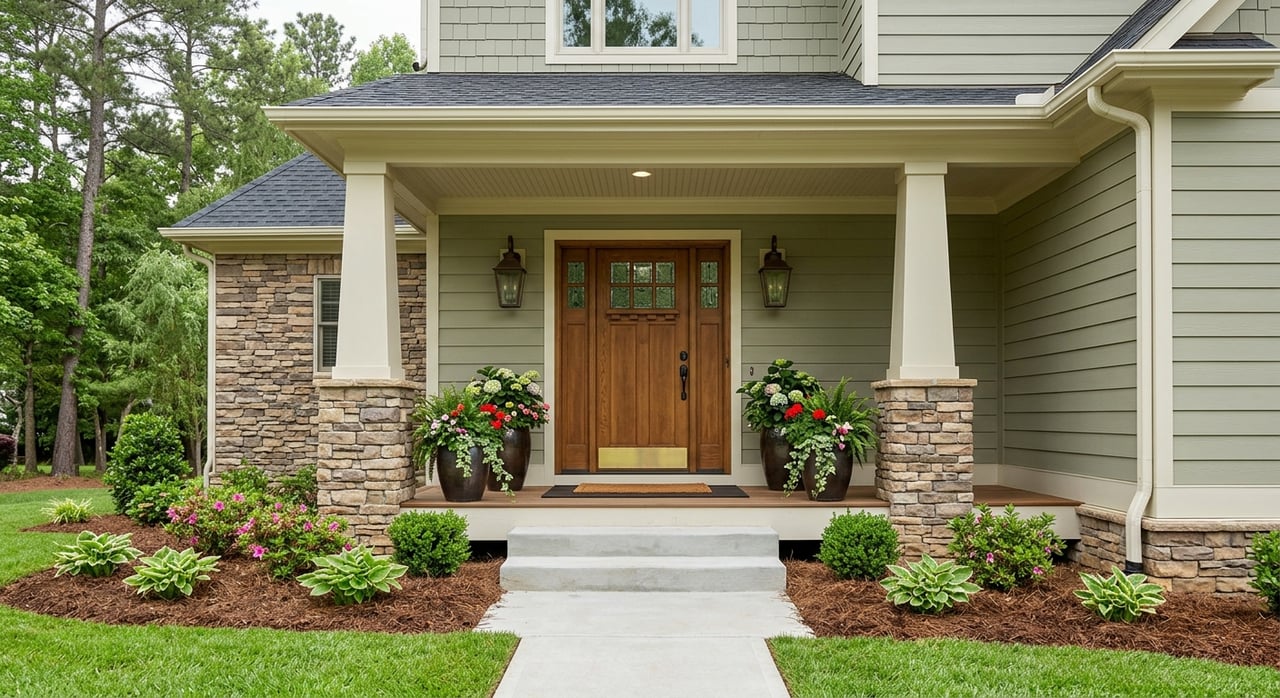
Your exterior sets the tone before buyers step inside. NAR’s outdoor-project research found that 92% of REALTORS® said sellers should improve curb appeal before listing. It also identified strong estimated cost recovery for projects like standard lawn care, landscape maintenance, and overall landscape upgrades.
That does not mean you need a total yard makeover. In many cases, basic maintenance creates the biggest payoff because it improves the first impression quickly and affordably.
Simple exterior updates worth doing
Start with the front yard and entry. Aim for a look that feels clean, cared for, and easy to maintain.
- Mow and edge the lawn
- Prune overgrown shrubs and low branches
- Refresh mulch in beds
- Sweep porches and walkways
- Clean windows and the front door
- Replace a worn doormat
- Remove dead plants or tired seasonal decor
- Store trash bins and yard tools out of sight
These updates help buyers feel positive before they even enter the home. That first impression can shape how they view everything else.
Exterior upgrades with stronger payback
If you are considering a larger pre-listing improvement, modest exterior upgrades often make more financial sense than major interior remodels. The 2024 Cost vs. Value Report for the South Atlantic region found especially strong returns for steel entry door replacement and garage door replacement, with high cost recoup rates compared with many bigger renovation projects.
By contrast, major additions and high-end remodels often recoup far less. If your goal is to prepare your Fort Mill home for sale, visible exterior improvements and finish refreshes are usually the more efficient path.
Be careful with big remodels
It is tempting to assume a large renovation will automatically boost your sale outcome. The data suggests that is often not the best move right before listing. In the South Atlantic region, a major midrange kitchen remodel recouped far less than simpler exterior updates, and a primary suite addition recouped even less.
That does not mean you should ignore a dated kitchen or bath. It means you should think strategically. Fresh paint, updated hardware, improved lighting, and clean surfaces may do more for your sale than a major remodel that is expensive, time-consuming, and hard to fully recover.
Stage the rooms buyers care about most
If your budget is limited, you do not have to stage every room equally. NAR’s 2025 survey found that buyers’ agents most often pointed to the living room, primary bedroom, and kitchen as the most important rooms to stage. Those are the spaces to prioritize first.
Staging does not always mean bringing in a truckload of new furniture. It can also mean rearranging what you already have, removing oversized items, improving lighting, and creating a cleaner, more open layout.
Where to focus your staging effort
Here is a smart priority list for many Fort Mill sellers:
- Living room: Open sight lines, reduce excess furniture, and create a clear conversation area.
- Kitchen: Clear counters, add bright task lighting if needed, and keep decor minimal.
- Primary bedroom: Use simple bedding, remove extra furniture, and keep surfaces mostly clear.
- Entryway: Make the first indoor impression feel bright and welcoming.
- Bathrooms: Keep them clean, light, and free of personal products.
NAR’s 2025 report also noted a median staging-service spend of $1,500. That gives you a useful benchmark if you are comparing options and deciding how much help to bring in.
Prepare for photos like buyers will see them
Most buyers will meet your home online first. NAR’s 2025 staging report found that sellers’ agents identified photos, physical staging, and videos as especially important listing assets. In a competitive market, that online first impression matters.
A home can be beautiful in person and still underperform online if the photos do not capture it well. That is why final prep before photography is so important.
Your pre-photo checklist
Before professional photos are taken, try to:
- Open blinds and curtains for natural light
- Replace all burnt-out light bulbs
- Hide cords, remotes, and countertop appliances
- Remove magnets and papers from the refrigerator
- Put away pet items, trash cans, and cleaning supplies
- Straighten pillows, rugs, and bedding
- Clear cars from the driveway when possible
- Make outdoor spaces look neat and usable
The goal is not to make your home look fake. It is to make it look bright, clean, and easy for buyers to picture themselves in.
Know Fort Mill permit rules before you update
If you plan to make improvements before listing, check local permit requirements early. Fort Mill’s Building & Codes FAQ says permits are commonly required for structural repairs, remodeling or alterations, accessory structures like sheds, gazebos and decks, HVAC replacements, plumbing work, electrical modifications, gas lines, re-roofing, new siding, and replacement windows.
The town also says homeowners may obtain permits for work on their own residence except mechanical and gas installations. It further states that electrical work over $250 must be done by a South Carolina-licensed electrician. If you are trying to improve your home’s marketability with system or exterior updates, this is worth confirming before work starts.
Why this matters before listing
Permit-sensitive work can affect your timeline, paperwork, and buyer questions. If a project should have been permitted, finding that out late can create delays just when you want to go live. Planning ahead can help you avoid rushed fixes and keep your sale process smoother.
This is one reason local vendor coordination can be so helpful. Contractors familiar with Fort Mill processes may help you avoid unnecessary delays and keep the work moving in the right order.
Gather disclosure and HOA documents early
Paperwork is part of pre-listing prep too. South Carolina’s Residential Property Condition Disclosure Statement requires most residential sellers to provide a completed and signed disclosure before a real estate contract is formed. The form also says sellers must answer fully and honestly, attach supporting documents when needed, and promptly correct the disclosure if new information makes an answer inaccurate.
If your property is part of an owners’ association, the official form also calls for an HOA addendum. That includes information such as dues, restrictions, special assessments, guest or animal restrictions, access codes, and transfer fees.
Documents to start gathering now
To make listing prep easier, collect key records before your home goes active:
- Repair and maintenance records
- Warranty documents
- Permit records for completed work
- HOA dues and fee information
- HOA rules, restrictions, and special assessment details
- Any documents tied to access codes or transfer requirements
Having these ready early can help reduce stress later. It also helps you respond more quickly when buyers ask smart, detailed questions.
A practical 6 to 12 month prep timeline
If you have time before listing, a phased approach usually works best. The research supports a sequence that starts with maintenance and permit-sensitive items, then moves into exterior improvements, cleaning, cosmetic updates, staging, and final media prep.
Here is a practical way to think about that timeline.
6 to 12 months out
Address maintenance items, safety concerns, and any work that may require permits. If you are considering roofing, windows, siding, HVAC, plumbing, decks, or electrical updates, confirm local requirements first.
3 to 6 months out
Tackle curb appeal, deep cleaning, paint touch-ups, carpet cleaning, and visible minor repairs. This is also a good time to reduce clutter and start packing items you do not use every day.
1 to 2 months out
Focus on staging key rooms, depersonalizing, and refining furniture placement. Finish the details that improve how the home feels in person and in photos.
Final weeks
Schedule professional photos and complete a last round of show-ready cleaning. Make sure the home feels bright, tidy, and consistent from the front door to the backyard.
Smart prep helps your home compete
In Fort Mill, buyers are not only comparing price. They are also comparing condition, presentation, and how each home feels online and in person. That is why thoughtful prep often gives sellers an edge, especially when buyers can choose from a healthy number of listings.
The good news is that you do not need to do everything. In many cases, the most effective strategy is to clean thoroughly, declutter, improve curb appeal, handle visible repairs, stage the key rooms, and stay ahead of permits and paperwork.
When you are ready to plan your next move in Fort Mill, Alton Garrard can help you build a practical, concierge-style listing strategy that fits your timeline and goals.
FAQs
What prep projects matter most before selling a Fort Mill home?
- The strongest priorities are usually decluttering, deep cleaning, curb appeal, paint touch-ups, minor repairs, and staging the living room, primary bedroom, and kitchen.
What Fort Mill exterior updates may offer better resale value?
- Research points to curb appeal work, lawn care, landscape maintenance, entry door updates, and garage door updates as stronger bets than major additions or luxury remodels.
What Fort Mill home updates may need a permit before listing?
- Common permit-sensitive projects include structural repairs, remodeling, decks, sheds, HVAC replacements, plumbing work, electrical changes, gas lines, re-roofing, siding, and replacement windows.
What South Carolina seller paperwork should Fort Mill homeowners gather early?
- You should be ready to complete the Residential Property Condition Disclosure Statement and gather related records such as repair documents, warranty papers, permit records, and HOA information if the home is in an association.
What HOA information should Fort Mill sellers collect before listing?
- If your home is in an HOA, gather details on dues, restrictions, special assessments, guest or animal rules, access codes, and transfer fees.
How much should you budget for staging a Fort Mill home?
- NAR’s 2025 staging report found a median staging-service spend of $1,500, which can serve as a useful starting point when planning your budget.