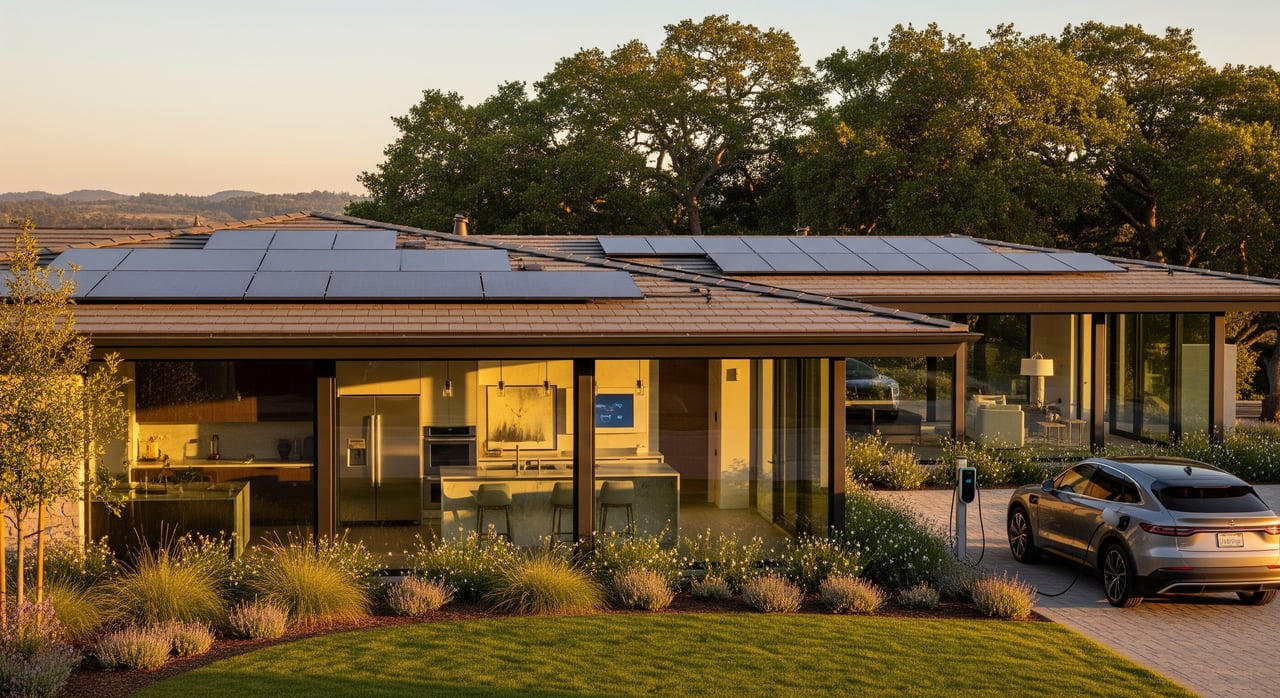
Tired of summer electric bills climbing just as fast as the temperatures in Mint Hill? You are not alone. In our humid subtropical climate, cooling is the biggest driver of home energy use, which makes the right efficiency upgrades a smart play for comfort and resale. In this guide, you will learn which improvements deliver noticeable comfort, lower bills, and buyer appeal, plus how to tap local incentives and permits. Let’s dive in.
Why efficiency matters in Mint Hill
Mint Hill summers are hot and humid, so your air conditioner or heat pump does most of the heavy lifting. According to the NOAA climate normals for the Charlotte area, cooling demand dominates many households’ electricity use. That means upgrades that reduce cooling load often pay off the fastest.
Local homes range from older ranches to newer subdivisions, and many properties built before the 2000s may have thinner attic insulation, older HVAC systems, and drafty windows. Buyers here often compare utility costs and appreciate visible, easy-to-understand features like new HVAC, smart controls, and documented insulation upgrades. When you pair the right projects with clear documentation, you make your home stand out.
Upgrades buyers notice first
HVAC tune-up or replacement
A well-tuned system keeps your home comfortable and your utility costs steady. Routine service, coil and refrigerant checks, filter changes, and airflow balancing can restore lost efficiency and extend equipment life. The DOE’s guidance on heating and cooling recommends scheduling service in spring or fall, before peak seasons.
If your system is aging or needs frequent repairs, compare the cost of repair to a high-efficiency heat pump replacement. For any work, keep detailed receipts, model numbers, and service reports. Buyers value the peace of mind that comes with documentation.
Attic insulation and air sealing
In our climate, air sealing plus attic insulation is one of the best returns on investment. Sealing gaps and adding insulation can often cut heating and cooling costs by roughly 10 to 20 percent in many homes, according to DOE and ENERGY STAR guidance. These upgrades also reduce hot spots upstairs and take pressure off your HVAC.
Start with a blower-door test if possible, then seal at the attic floor, rim joists, and penetrations. The DOE’s air sealing guidance explains where leaks hide and what to prioritize. When adding insulation, verify that attic ventilation remains adequate.
Duct sealing and balancing
Leaky ducts waste cooled air, especially when runs travel through attics or crawlspaces. Sealing accessible joints and insulating ducts in unconditioned areas can improve comfort in every room. Ask for before-and-after testing where available to verify results.
Balancing airflow to even out room temperatures is a noticeable upgrade for showings. Buyers will feel faster, more even cooling without a full system replacement.
Smart thermostats and controls
Smart thermostats are visible, simple to use, and signal a well-managed home. When set up correctly, they can trim cooling and heating costs and offer remote control and helpful usage data. See ENERGY STAR’s overview of smart thermostats for features and compatibility tips.
Make sure the unit fits your system type, especially if you have a heat pump. Provide a quick-use guide or guest access for showings so buyers can see the benefits.
Lighting and minor appliances
LED bulbs are an easy win before listing. They use a fraction of the energy of incandescent bulbs and last much longer, while delivering bright, cool light that shows your rooms at their best. Review ENERGY STAR’s light bulb guide for selecting color temperature and dimmability.
If your appliances are aging, consider targeted upgrades to ENERGY STAR models in the kitchen or laundry. Focus on items buyers will notice during tours and in listing photos.
Window repairs or upgrades
Windows are often less cost-effective than insulation or HVAC, but they can still matter for comfort and curb appeal. Start with repairs and weatherstripping to knock out drafts and improve function. If replacement is needed, choose efficient double-pane low-E units or consider storm windows for a lower-cost boost.
Check HOA or historic guidelines where applicable. For selection tips, review ENERGY STAR’s guidance on residential windows.
Water heating upgrades
Small tweaks such as insulating an older tank and lowering the setpoint can cut standby losses. If you are ready to replace, a heat pump water heater is a strong option for many Mint Hill homes. The DOE notes that heat pump water heaters can be two to three times more efficient than standard electric tanks.
Plan for space and a bit of operational noise. Ask your installer about available rebates and whether your electrical panel needs adjustments.
Solar readiness and roofing
Solar can reduce electric bills and add buyer interest, but timing matters. Before you invest, confirm your roof age and condition, and understand interconnection and net metering with your utility. The DSIRE database lists current incentives and rules for North Carolina; you can search by county on the DSIRE website.
If full solar is not feasible today, consider modest steps like roof documentation and a conduit or panel space that shows solar readiness. Buyers appreciate clear signals that future upgrades will be simple.
Incentives and permits
Before you start a project, check two things: incentives and permits. Programs change, so it pays to verify the latest offers.
- Incentives and credits: Search the DSIRE database for federal, state, and local programs. Then confirm any current utility rebates on the Duke Energy rebates page. Funding levels can change during the year, so confirm before signing a contract.
- Permits and inspections: Many upgrades require permits in Mecklenburg County, including HVAC replacements and some window or insulation work. Review requirements with Mecklenburg County Code Enforcement and hire properly licensed contractors. Permits and final inspections protect you at closing and reduce the risk of rework.
How to prioritize projects
Not every home needs the same fixes. Start with the steps that fit your house and timeline.
- Schedule an energy audit or at least a professional HVAC tune-up. A blower-door test and thermography help pinpoint leaks and prioritize upgrades. The DOE’s Energy Saver resources outline how audits guide the best bang for your buck.
- Knock out high-ROI basics: air sealing and attic insulation, duct sealing, and a thermostat upgrade. Pair these with LED bulb replacements and minor water heater tweaks.
- Address comfort complaints next: hot upstairs rooms, drafty windows, or uneven airflow. Often, sealing and insulation help more than you expect.
- Weigh major replacements: a high-efficiency heat pump, a heat pump water heater, or targeted window replacements. Analyze payback with your contractor using current rebates and local utility rates.
- Stage with your sale timeline: Quick wins come first so they show up in photos and listing remarks. Larger projects may require permits and scheduling, so plan them months before you list.
What to document for buyers
Buyers respond to proof. Clear documentation helps your home appraise well and reduces second-guessing.
- Keep contractor invoices, model numbers, equipment efficiency ratings, permits, and warranties. If you received rebates, keep the paperwork.
- Save before-and-after photos for items like insulation depth and duct sealing. A simple note such as “attic insulation increased from R-19 to R-38 in May 2024” is powerful.
- If you have utility bills showing reduced usage, include a simple year-over-year comparison. A one-page summary in your listing packet goes a long way.
How upgrades support resale
Energy-efficient homes often show better, sell faster, or command a premium when features are clearly identified and documented. Market studies from energy and housing researchers indicate that visible features like new HVAC with known efficiency ratings, insulation upgrades, smart controls, and solar can influence buyer preferences. The exact premium varies by market, but in Mint Hill’s suburban neighborhoods, buyers frequently compare utility costs and appreciate tangible improvements.
In short, make it easy for shoppers to connect the dots. When you cut the guesswork with clear, verifiable upgrades, you help buyers see long-term value.
A simple project checklist
Use this quick list to get started and stay organized:
- Get an energy audit or HVAC tune-up with duct inspection.
- Seal air leaks and top up attic insulation.
- Seal and insulate accessible ductwork; balance airflow.
- Install a smart thermostat and swap in LED bulbs.
- Repair or weatherstrip windows; replace only failing units.
- Evaluate a heat pump water heater during your next replacement cycle.
- Explore DSIRE and Duke Energy for incentives; confirm permits.
- Collect receipts, permits, and photos; create a one-page summary for buyers.
Ready to plan your upgrades?
If you want to boost comfort now and attract more confident offers later, the right mix of efficiency projects can help. You will feel the difference this summer, and buyers will notice the care and documentation when you sell. If you would like a local perspective on which upgrades will matter most in your price range and neighborhood, reach out to Alton Garrard to map out a plan that fits your goals and timeline.
FAQs
What energy upgrades matter most for Mint Hill summers?
- Focus on air sealing and attic insulation, duct sealing, and an HVAC tune-up, since cooling drives most energy use in our hot, humid climate.
How do I find rebates for Mint Hill efficiency projects?
- Start with the DSIRE database for statewide and federal programs, then check Duke Energy rebates for current utility offers.
Do I need permits for HVAC, insulation, or windows?
- Many projects require permits in Mecklenburg County; review your scope with Code Enforcement and hire licensed contractors.
Will a smart thermostat save me money?
- Used correctly, smart thermostats can deliver modest savings and convenient controls; see ENERGY STAR’s guidance for features and best practices.
Are heat pump water heaters worth it here?
- Yes, the DOE notes heat pump water heaters are two to three times more efficient than standard electric tanks, which can reduce bills over time.
Do energy-efficient features help resale?
- Research indicates clearly documented efficiency features can influence buyer preferences and marketability, especially items like new HVAC, insulation upgrades, smart controls, and solar readiness.