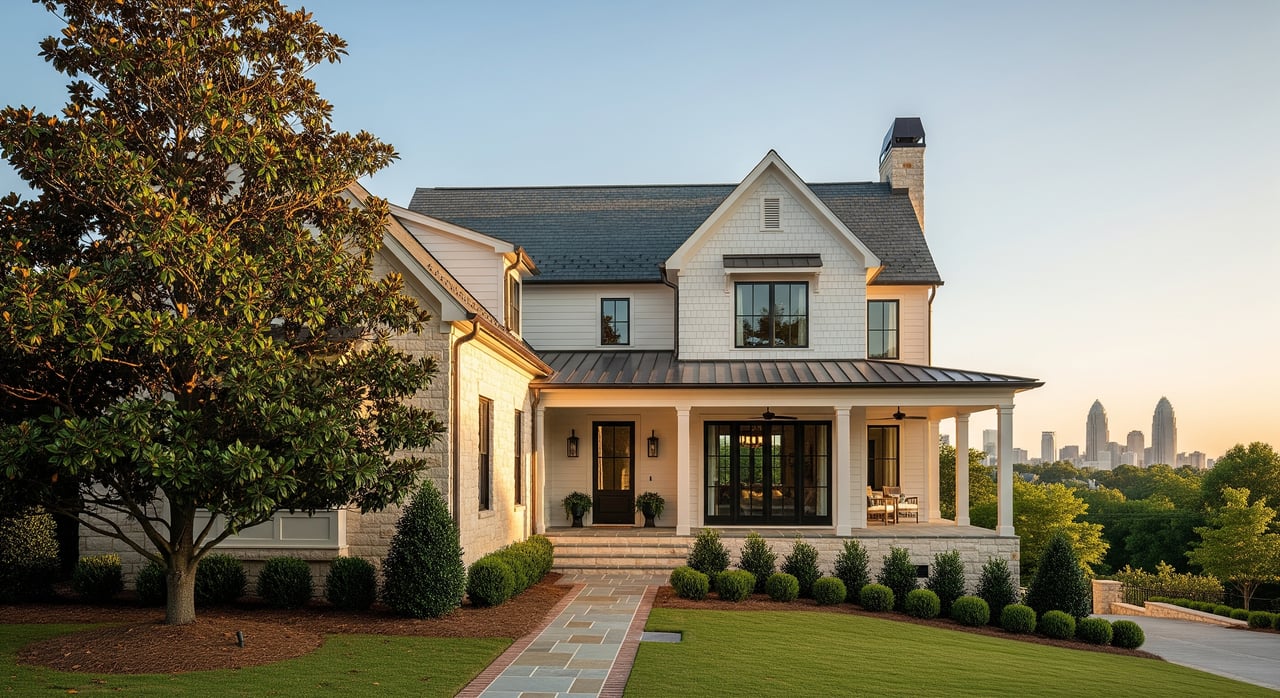
Are you watching Charlotte’s suburbs and wondering why some homes fly off the market while others sit? You are not alone. With steady job growth, limited close‑in inventory, and shifting commute patterns, demand is moving in clear but different ways across the metro. In this guide, you will learn what is driving interest now, how corridors shape prices and speed of sales, and which micro‑markets fit your goals. Let’s dive in.
The big picture: why demand is shifting
Charlotte has grown into a multi‑center metro where several employment hubs, not just Uptown, influence where buyers look. Population and job growth have pushed interest outward into adjacent counties and parts of South Carolina. That means more options, but also more variation in pricing and days on market.
Elevated mortgage rates since 2022 reduced buying power for some households. Prices have cooled from the 2020–2021 frenzy in certain areas, yet many desirable suburbs still see tight inventory and quick sales when homes are priced to recent comps. Outer suburbs carry more new construction, and builders often set the effective supply and incentives there. Closer‑in areas rely more on resale, where lot scarcity keeps competition steady.
Jobs steer where buyers search
Employment centers create predictable demand corridors. When you know where you or your buyer pool works, you can target neighborhoods that balance commute and lifestyle.
Uptown, SouthPark, and nearby
Banking, healthcare, and professional services cluster in Uptown and SouthPark. Close‑in and south Charlotte neighborhoods appeal to professionals who want shorter commute times and access to established retail and dining. Limited new‑build lots mean resale dominates, and well‑presented homes often see lower days on market.
Ballantyne and south Charlotte office parks
Ballantyne’s office and retail core attracts buyers who value proximity to corporate campuses and conveniences. Suburbs near this node typically show strong demand, especially when schools, parks, and shopping are nearby. Inventory is tight in mature neighborhoods, so pricing to local comps matters.
University City and the airport area
University City’s employers and the Charlotte Douglas International Airport corridor support steady interest in north and west suburbs. Buyers weigh commute options, with I‑85 and I‑485 providing access to multiple job centers. Homes that highlight easy highway access tend to command more attention.
Commute corridors that shape value
In Charlotte, commute options can be as important as square footage. Corridors that offer multiple routes or faster access often carry a price premium.
I‑77 north to Lake Norman
Huntersville, Cornelius, Davidson, and Mooresville draw buyers who want lake access, trails, and newer master‑planned communities. I‑77, including express lane options in sections, can shorten the drive for some commuters. Expect stronger demand near interchanges and employment nodes along the corridor.
I‑85 northeast to Cabarrus County
Concord, Harrisburg, and Kannapolis attract value‑minded buyers seeking newer homes and larger lots. Access to I‑85 and retail destinations like Concord Mills supports steady interest. Mortgage rate shifts can affect activity here more quickly, so pricing strategy is important.
I‑485 ring road
The beltway creates flexible commutes to Uptown, SouthPark, Ballantyne, and the airport. Suburbs with quick on‑ramps to I‑485 appeal to buyers who want options if traffic slows on a single route. Homes that clearly communicate drive times often see more showings.
US‑74, SC‑160, and US‑29 southeast and south
Union County towns and northern York County in South Carolina attract buyers looking for more space and a suburban or semirural feel. Commutes to Uptown can be longer, but many households accept that tradeoff for perceived value, larger lots, and community amenities.
Transit: helpful but secondary for most
The LYNX Blue Line has shaped development along its route from South End to University City, yet most suburban buyers still prioritize highway commute times over rail access. Proposed expansions have long timelines, so near‑term demand remains corridor driven.
Lifestyle amenities that sell homes
Amenities cluster in ways that shape buyer preferences and pricing. When a suburb blends daily convenience with recreation, homes typically move faster.
Walkable dining and retail hubs
Areas with lively town centers or mixed‑use districts draw buyers who want quick access to restaurants, coffee, and services. Proximity to these hubs often correlates with lower days on market for well‑priced homes.
Master‑planned communities
Neighborhoods with pools, clubhouses, greenways, and events appeal to households that value community programming and low‑maintenance amenities. These features can boost list‑to‑sale performance when paired with good commute options.
Recreation and lake access
Lake Norman lifestyles, golf communities, and regional parks attract buyers who prioritize the outdoors. Waterfront and water‑view homes see strong demand, while non‑waterfront communities vary more by commute time and neighborhood amenities.
Schools and community life
Buyers often consider public school performance and local events when comparing suburbs. Neighborhoods known for consistent school outcomes and engaged town centers can command premiums. Always verify current boundaries and plans since attendance zones can change.
Micro‑market snapshots: what to expect now
Close‑in and south Charlotte (Ballantyne, SouthPark edge, Matthews, Mint Hill)
- Who it fits: Professionals and move‑up families seeking shorter commutes and established amenities.
- Commute feel: Multiple options to Uptown, SouthPark, and Ballantyne via I‑485 and key arterials.
- What sells: Well‑maintained resale homes near retail, parks, and recognized schools.
- Market pattern: Higher median prices and relatively low days on market for homes priced to current comps; limited new‑build lots keep inventory tight.
North suburbs and Lake Norman (Huntersville, Cornelius, Davidson, Mooresville)
- Who it fits: Buyers who want lake recreation, trails, and community amenities.
- Commute feel: I‑77 access, including express options in sections; commutes vary by interchange proximity.
- What sells: Lakefront and amenity‑rich communities; price sensitivity higher off the water and farther from job nodes.
- Market pattern: Strong demand in premium pockets; broader variation by commute times and neighborhood features.
Northeast / Cabarrus County (Concord, Harrisburg, Kannapolis)
- Who it fits: Value‑focused buyers seeking newer homes and larger lots with reasonable access.
- Commute feel: I‑85 and I‑485 provide multiple routes to Charlotte and local employers.
- What sells: Newer subdivisions, planned communities, and homes near retail and services.
- Market pattern: Responsive to mortgage rate shifts; builders influence supply and incentives.
Southeast / Union County and Fort Mill area (Indian Trail, Weddington, Monroe, Waxhaw, Fort Mill SC)
- Who it fits: Families prioritizing space, community amenities, and recognized school zones.
- Commute feel: Longer for Uptown in some areas, but tradeoffs include lot size and value per square foot.
- What sells: Larger lots, newer construction, and suburban or semirural settings with parks and trails.
- Market pattern: Strong demand in well‑regarded school zones; pricing varies by commute and community features.
West and southwest suburbs (Belmont, Mount Holly, Gastonia, Pineville)
- Who it fits: Buyers seeking affordability with growing access to jobs and revitalizing downtowns.
- Commute feel: I‑85 and I‑485 access to Charlotte and airport corridors.
- What sells: Homes near revitalized main streets, greenways, and upgraded services.
- Market pattern: Demand strengthening in areas with active downtown investment; pricing varies by neighborhood age and updates.
New construction, lots, and builder behavior
Where land is available, builders set much of the pace. That shapes both pricing and timelines.
Where new homes are concentrated
Outer suburbs and exurban corridors in Union, Cabarrus, Iredell, and parts of York County offer the most new construction. These areas often feature master‑planned communities with modern floor plans and amenities.
Builder incentives versus resale value
New homes can carry a price premium but may include incentives that offset rates or closing costs. Where builders control multiple phases, pricing is influenced by lot releases and materials costs more than by nearby resale comps. Resale homes offer immediate occupancy and historical comparables for negotiation.
When resale wins
In closer‑in suburbs with limited lots, resale dominates. Well‑prepared listings that reflect recent comps and highlight commute times and amenities often see faster offers.
Taxes, HOAs, and risk checks to consider
Your monthly cost is more than principal and interest. Local factors can shift affordability and resaleability.
Property taxes and HOA fees
Mill rates vary by county and municipality, and HOA dues differ by community. Comparing these across borders helps you understand true monthly carrying costs.
Floodplain and insurance
Homes near Lake Norman, the Catawba River corridor, or low‑lying areas may require flood insurance or have development restrictions. Always review flood maps and insurance requirements during due diligence.
Zoning and long‑term plans
Municipal growth policies, annexations, and infrastructure investments shape future supply, traffic, and appeal. Knowing what is planned around a neighborhood helps you plan your timeline and pricing strategy.
How to choose your suburb with confidence
Use a simple framework: commute, community, and cost.
- Commute: Define acceptable drive times to your primary employment center and test routes during peak hours.
- Community: List must‑have amenities like parks, lake access, greenways, or a walkable town center.
- Cost: Compare price per square foot, property taxes, HOA dues, and expected maintenance.
When you weigh these together, the right short list usually becomes clear.
Buyer checklist: move fast, not rushed
- Get pre‑approved so you know your buying power under current rates.
- Rank non‑negotiables: school preferences, commute time, lot size, and amenities.
- Ask your agent for a 90‑day snapshot: median price, days on market, list‑to‑sale ratio, months of supply.
- Compare new construction timelines and incentives to nearby resale options.
- Verify school boundaries, HOA rules, and any floodplain considerations before making an offer.
Seller checklist: position for today’s buyer
- Review neighborhood comps from the last 60–90 days and price to match current buyer sensitivity to rates.
- Highlight commute advantages and nearby amenities clearly in your listing.
- Complete pre‑listing maintenance and simple upgrades that improve first impressions.
- Prepare for appraisal by documenting improvements, permits, and recent comparable sales.
- Have a plan for contingencies and incentives common in your micro‑market.
What to ask your agent before you decide
Request local metrics by suburb, zip code, or MLS area so you can compare apples to apples:
- Median sale price for the last 90 days and year over year.
- Median days on market and share of list price received.
- Months of inventory and active listings count.
- Share of new construction versus resale closings.
- Typical commute times to Uptown and other employment hubs you care about.
- School district designation and any known boundary updates.
- Notable employer expansions within about 30 miles and upcoming infrastructure that could affect access.
Final thoughts
Charlotte’s suburbs operate like a group of connected micro‑markets. Jobs and commute options set the stage, and amenities tip the scales. If you tailor your search to the right corridor and verify the local data, you can move decisively and with confidence.
If you want a clear next step, let’s talk through your commute, community, and cost goals and build a focused plan. Start your move with a local expert at Unknown Company.
FAQs
What’s driving demand in Charlotte’s suburbs right now?
- A mix of job growth across multiple employment hubs, constrained close‑in inventory, and lifestyle amenities in targeted corridors continues to shape buyer interest and pricing.
How do commute times affect suburban home prices?
- Suburbs with quicker highway access to multiple job centers, including I‑485 and key interstates, often command premiums and see faster sales for well‑priced homes.
Where is most new construction around Charlotte?
- New home activity is concentrated in outer suburbs and exurban corridors in Union, Cabarrus, Iredell, and parts of York County, where land and master‑planned communities are more common.
Do schools influence pricing in Charlotte’s suburbs?
- School performance is a common factor for many buyers, and zones with consistent outcomes can correlate with premium pricing; always verify current boundaries and any planned changes.
Should I choose new construction or a resale home?
- New construction offers modern plans and potential incentives but longer timelines; resale provides immediate occupancy and established comps, which can aid negotiation.
Which suburbs sell the fastest in the Charlotte area?
- Areas that combine recognized schools, nearby jobs, and strong retail or recreation amenities typically see lower days on market when homes are priced to recent comparables.